

ENCYCLOPEDIA
A comprehensive guide to the 45 plant species that form the Miyawaki micro-forest at ATLAS, Ghaziabad by T&T Group.
ENCYCLOPEDIA
A comprehensive guide to the 45 plant species that form the Miyawaki micro-forest at ATLAS, Ghaziabad by T&T Group.
WHERE
INNOVATION
TAKES ROOT
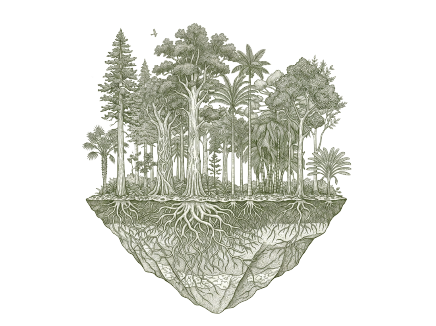
The Miyawaki Forest by T&T Group is our consistent promise towards innovation in living, which is much more than a novelty. It is an eco-conscious approach built for those who live and understand that the urban jungle need not be a metaphor for what is lost, but a blueprint for what can be reclaimed.
This is an innovation in urban living that lets you breathe. The planting of native trees, layer by layer, creates a self-sustaining, eco-conscious system that grows with you. Four layers of dense, native species work together in ecological harmony, cleaning the air, lowering the temperatures, and reducing noise, returning what a city takes from you.
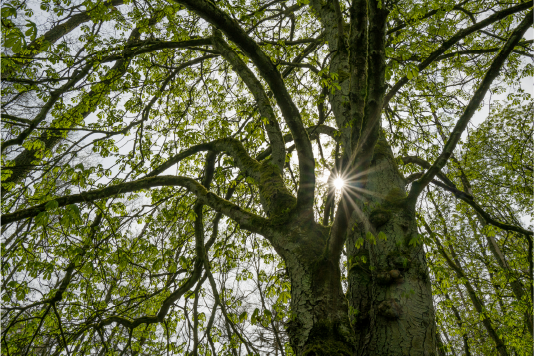
Developed by Japanese botanist Akira Miyawaki, the method is a self-sustaining system that thrives within a few years, requiring no intervention. It is nature restored by design, not nature decorating it. At T&T, it is a proven ecological method that functions not as an amenity but as a thriving ecosystem. This is the T&T philosophy made legible. Each project, thought out with the same conviction of real estate at its most forward-looking, builds for the whole of a life, not just the square footage of it.
Because embracing the
best way to live is
rooted in nature.
THE FOREST THAT
GROWS ITSELF

A miyawaki forest is a dense, fast-growing, native forest planted using a method developed by japanese botanist Dr. Akira Miyawaki.
MIYAWAKI FOREST
AT ATLAS
WHY THIS TECHNIQUE?
Within two to three years, the forest becomes entirely self-sustaining. No fertilisers, no irrigation, no maintenance. What makes the method distinctive is its use of layered planting. Four categories of native species (shrubs, sub-trees, trees, and canopy trees) are planted together in a randomised arrangement that mimics the structure of a natural forest. Each layer occupies a different vertical zone, capturing sunlight and rainfall at every level. The result is a compact, biodiverse ecosystem that sequesters up to 30 times more carbon than a monoculture plantation, reduces local temperatures by 2–5°C, and supports wildlife within its first year of growth.
UNDERSTANDING OUR APPROACH
The Miyawaki Forest at ATLAS is located in Ghaziabad, a rapidly growing urban centre in the Delhi NCR region. It comprises 3,430 plants across 45 carefully selected native species, planted at a density of approximately 3.1 plants per square metre. Within its first five years, the forest is expected to sequester 30–40 tonnes of CO₂ annually, improve local air quality within a 50-metre radius, and lower ambient temperatures by 2–4°C for residents.

SHRUB LAYER
Height: 1–3 metres|Proportion of total planting: 35%
The shrub layer is the foundation of the Miyawaki forest. These are native bushy species that typically grow between 1 and 3 metres in height, forming the dense lower storey of the ecosystem. In a Miyawaki setup, shrubs play a critical role: they provide ground cover that suppresses weed growth, reduce soil erosion, and help retain moisture in the topsoil.
SUB-TREE LAYER
Height: 3–6 metres|Proportion of total planting: 35%
he sub-tree layer occupies the space between the shrubs and the taller tree species, typically reaching 3 to 6 metres in height. These medium-height species are the workhorses of a Miyawaki forest — they include many flowering, fruiting, and shade-giving species. In the layered planting methodology, sub-trees fill crucial vertical space, ensuring that sunlight is utilised at multiple levels.
TREE LAYER
Height: 6–10 metres|Proportion of total planting: 20%
The tree layer forms the middle structural backbone of the Miyawaki forest, with species growing between 6 and 10 metres. These trees fill the vertical gap between the sub-tree layer and the canopy, creating a continuous gradient of foliage that maximises light interception and carbon sequestration across the forest profile. In ecological terms, this layer is where much of the forest's biomass accumulates over time.
CANOPY LAYER
Height: 10+ metres|Proportion of total planting: 1%
The canopy layer comprises the tallest species in the Miyawaki forest, eventually reaching heights of 10 metres and above. Though they represent the smallest proportion of total plantings (around 1%), canopy trees are what ultimately define the forest's climax stage. They form the uppermost cover, regulating temperature, humidity, and light penetration for all the layers below.
A Miyawaki forest works because it mimics the structure of a natural forest — not as a flat plantation of identical trees, but as a multi-layered ecosystem where species of different heights coexist and compete for light, water, and nutrients. Each layer has a distinct function.
SHRUB LAYER
Height: 1–3 metres|Proportion of total planting: 35%
The shrub layer is the foundation of the Miyawaki forest. These are native bushy species that typically grow between 1 and 3 metres in height, forming the dense lower storey of the ecosystem. In a Miyawaki setup, shrubs play a critical role: they provide ground cover that suppresses weed growth, reduce soil erosion, and help retain moisture in the topsoil.
SUB-TREE LAYER
Height: 3–6 metres|Proportion of total planting: 35%
he sub-tree layer occupies the space between the shrubs and the taller tree species, typically reaching 3 to 6 metres in height. These medium-height species are the workhorses of a Miyawaki forest — they include many flowering, fruiting, and shade-giving species. In the layered planting methodology, sub-trees fill crucial vertical space, ensuring that sunlight is utilised at multiple levels.
TREE LAYER
Height: 6–10 metres|Proportion of total planting: 20%
The tree layer forms the middle structural backbone of the Miyawaki forest, with species growing between 6 and 10 metres. These trees fill the vertical gap between the sub-tree layer and the canopy, creating a continuous gradient of foliage that maximises light interception and carbon sequestration across the forest profile. In ecological terms, this layer is where much of the forest's biomass accumulates over time.
CANOPY LAYER
Height: 10+ metres|Proportion of total planting: 1%
The canopy layer comprises the tallest species in the Miyawaki forest, eventually reaching heights of 10 metres and above. Though they represent the smallest proportion of total plantings (around 1%), canopy trees are what ultimately define the forest's climax stage. They form the uppermost cover, regulating temperature, humidity, and light penetration for all the layers below.
TOGETHER, THEY CREATE A SELF-SUSTAINING SYSTEM THAT GROWS
10 TIMES FASTER THAN A CONVENTIONAL PLANTATION.

SHRUB LAYER
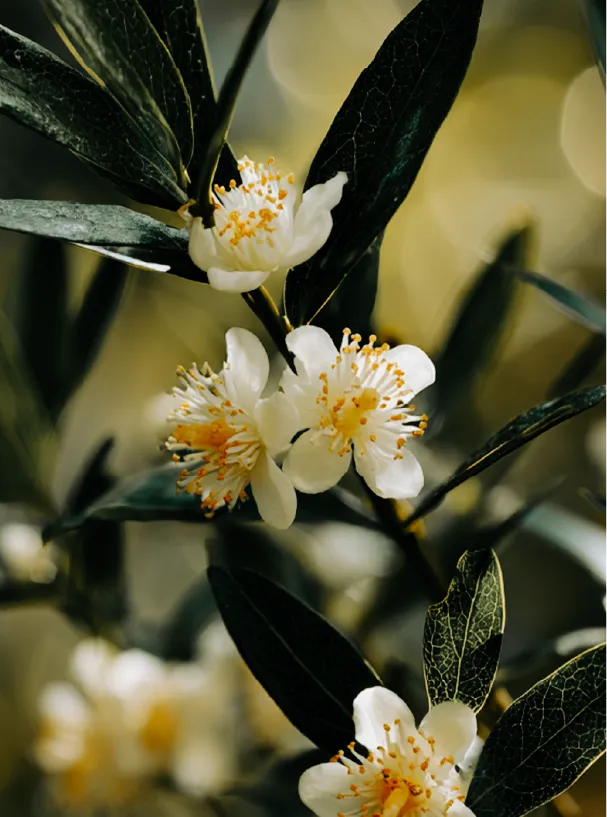
Orange Jasmine
[ Murraya paniculata ]
| Family | Theaceae |
| Layer | Shrub |
| Mature Height | 2–3 metres |
| Growth Rate | Moderate |
| Foliage | Evergreen |
| Native To | South and Southeast Asia |
| Key Traits | Fragrant flowers, evergreen foliage, edible berries |
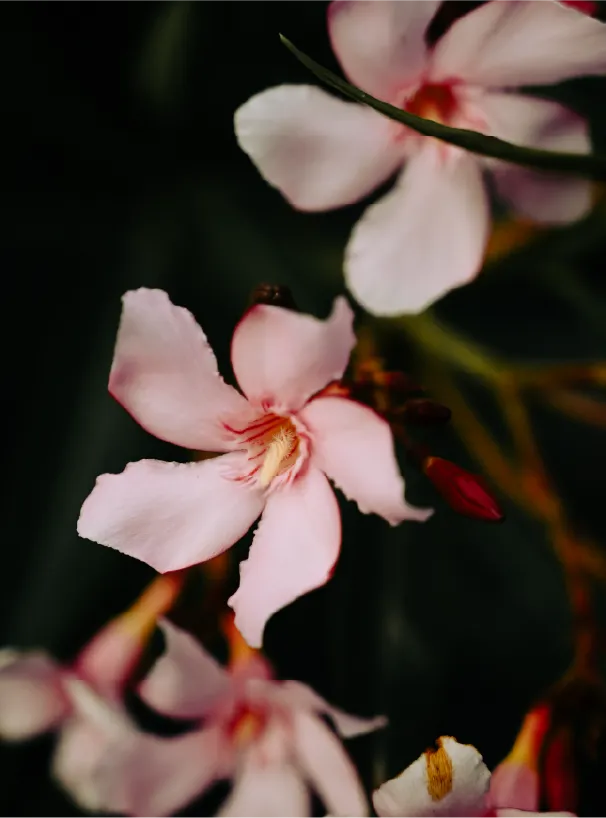
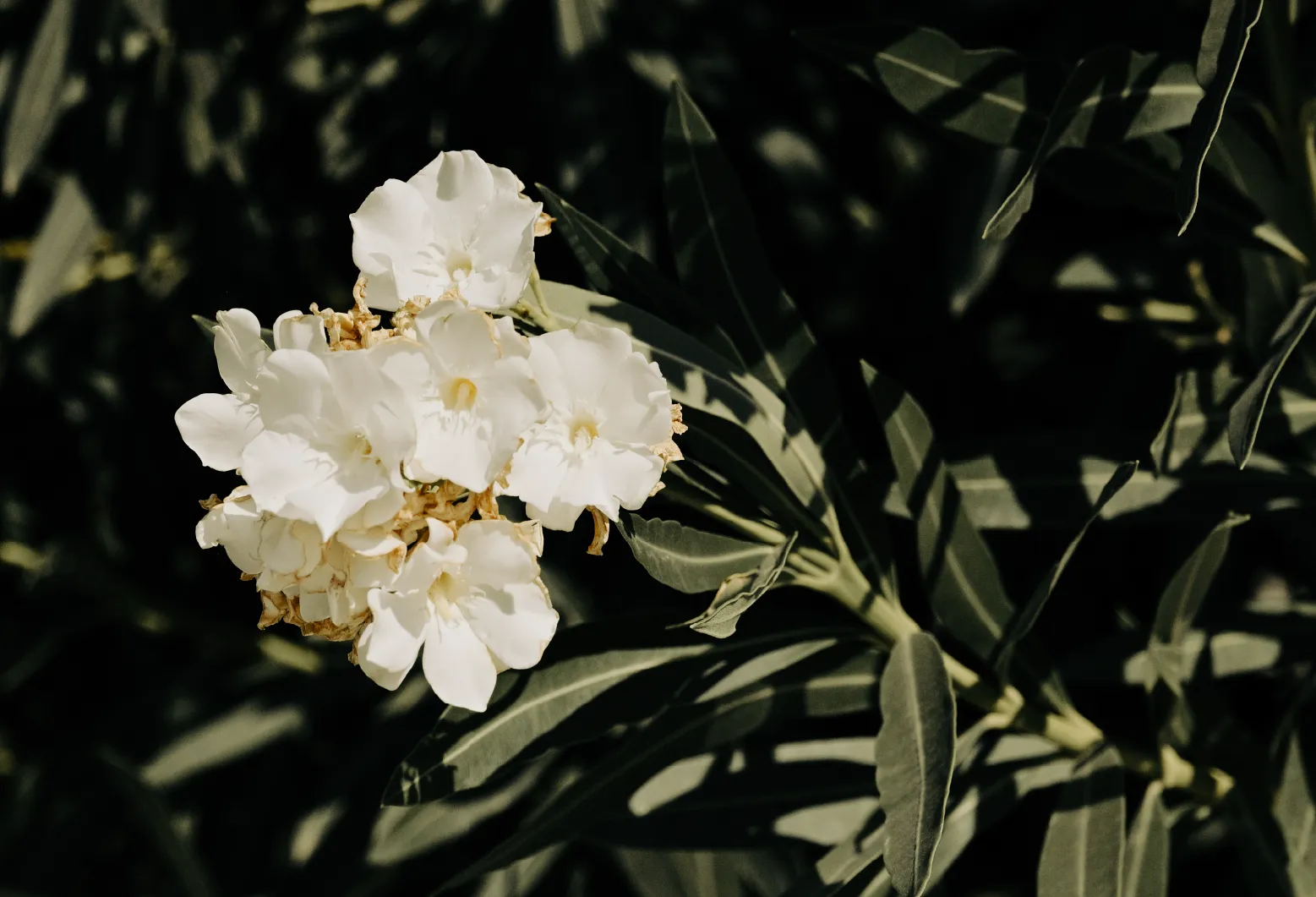
Oleander
[ Nerium oleander ]
| Family | Apocynaceae |
| Layer | Shrub |
| Mature Height | 2–4 metres |
| Growth Rate | Fast |
| Foliage | Evergreen |
| Native To | Mediterranean region, Southeast Asia |
| Key Traits | Prolific flowering, extreme drought tolerance |
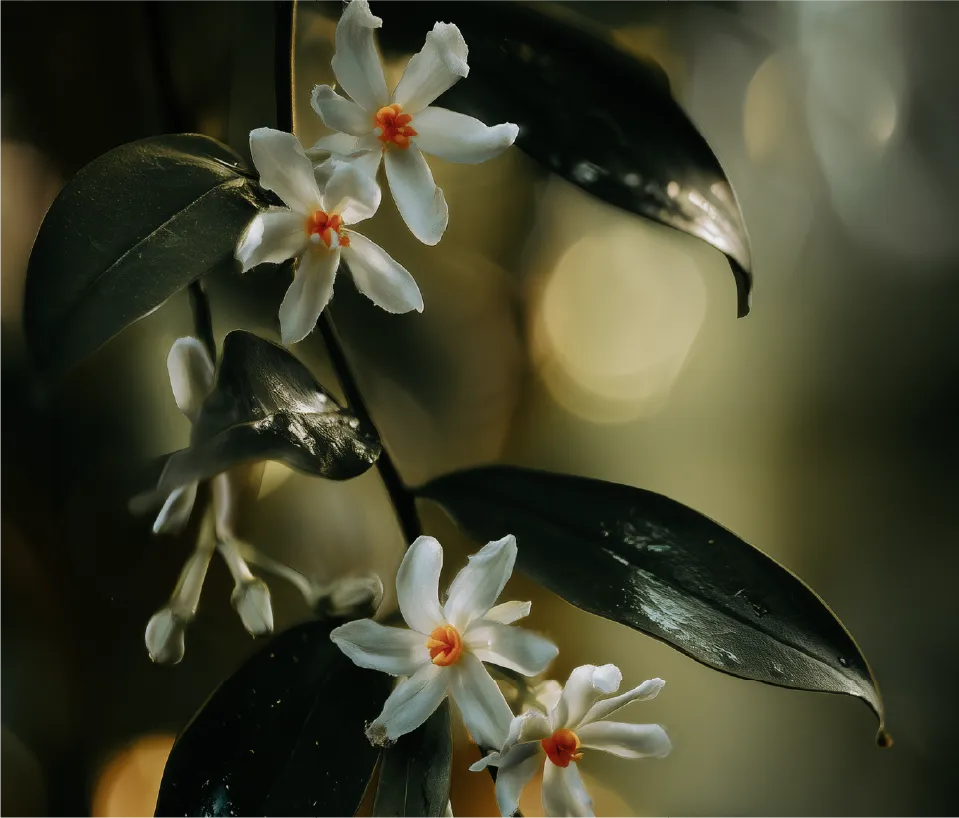
NIGHT JASMINE
[ Nyctanthes arbor-tristis ]
| Family | Oleaceae |
| Layer | Shrub |
| Mature Height | 2–3 metres |
| Growth Rate | Moderate |
| Foliage | Evergreen |
| Native To | South and Southeast Asia |
| Key Traits | Fragrant night-blooming flowers |
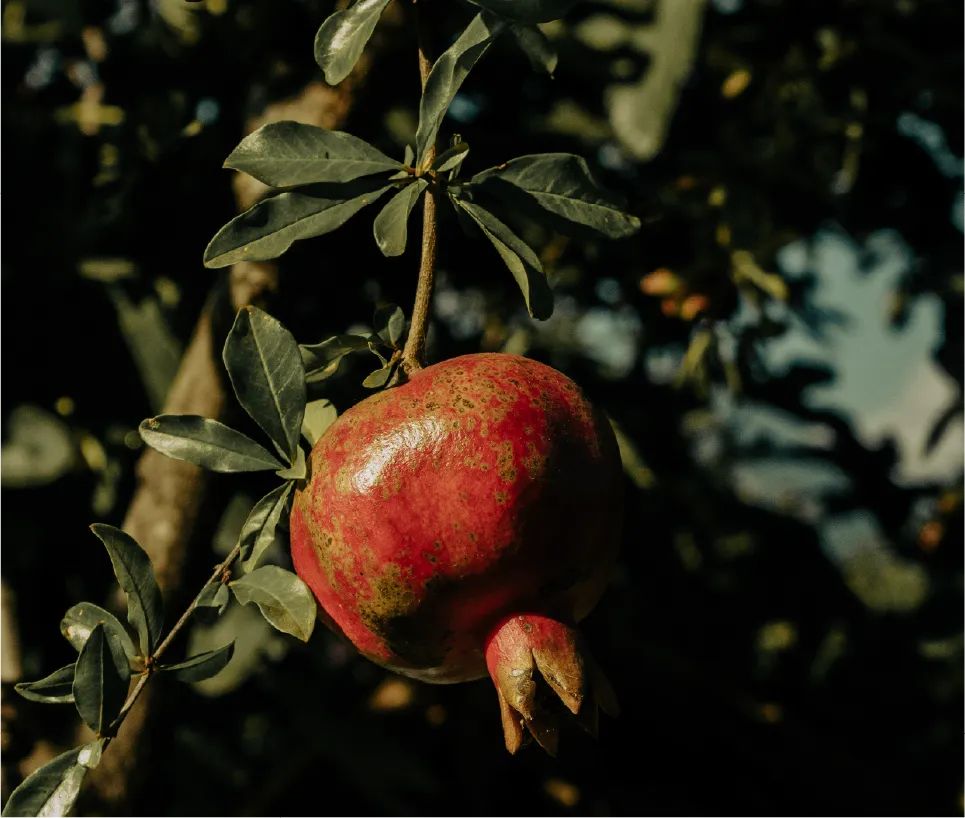
POMEGRANATE
[ Punica granatum ]
| Family | Lythraceae |
| Layer | Shrub |
| Mature Height | 2-4 metres |
| Growth Rate | Moderate to Fast |
| Foliage | Deciduous |
| Native To | Iran to the Western Himalayas |
| Key Traits | Edible fruit, ornamental flowers |
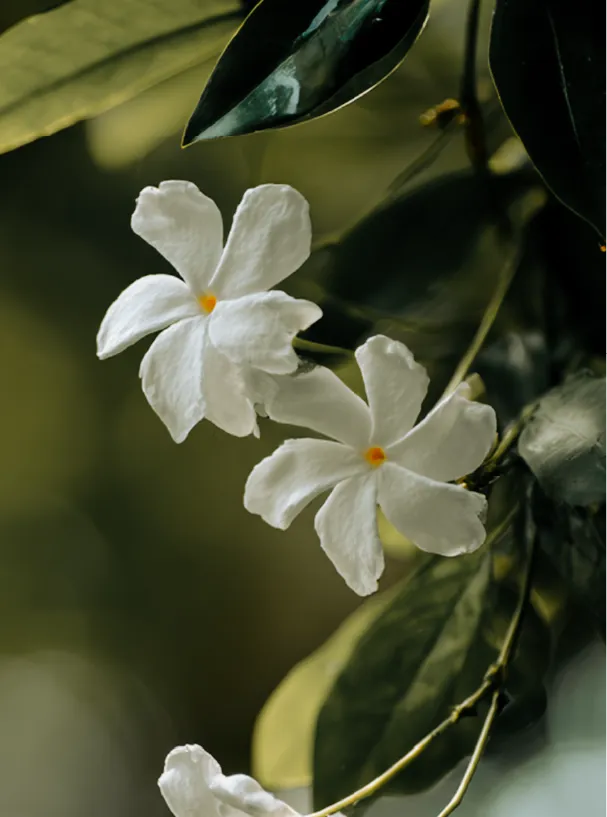
CHANDNI (CRAPE JASMINE)
[ Tabernaemontana coronaria ]
| Family | Apocynaceae |
| Layer | Shrub |
| Mature Height | 1.5–3 metres |
| Growth Rate | Moderate |
| Foliage | Evergreen |
| Native To | South and Southeast Asia |
| Key Traits | Evergreen foliage, white waxy flowers |
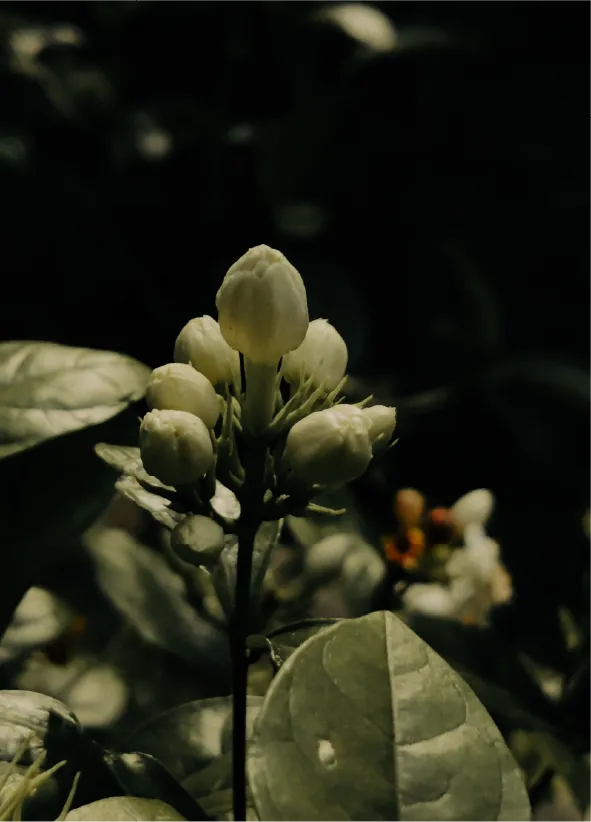
MOGRA (ARABIAN JASMINE)
[ Jasminum sambac ]
| Family | Oleaceae |
| Layer | Shrub |
| Mature Height | 1-2 metres |
| Growth Rate | Moderate |
| Foliage | Evergreen to Semi-evergreen |
| Native To | South and Southeast Asia |
| Key Traits | Intensely fragrant white flowers |

SUB TREE LAYER
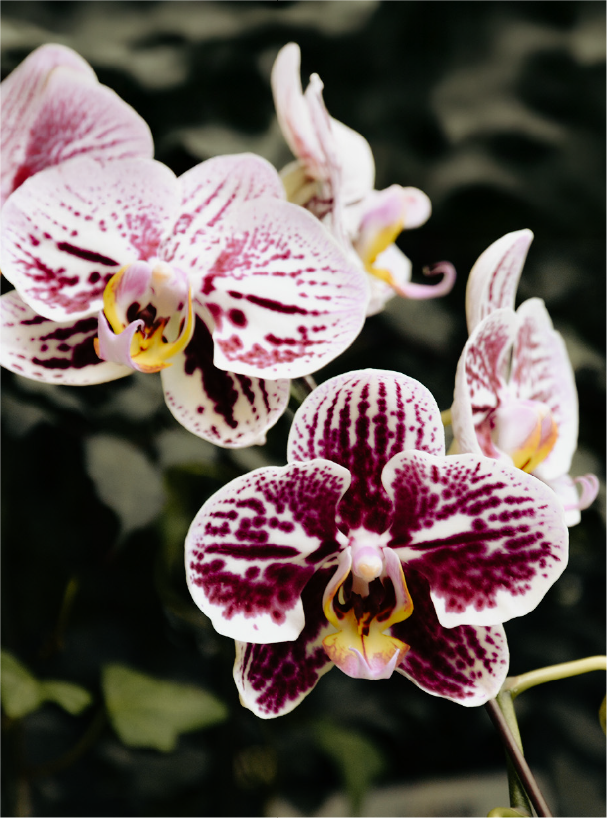
ORCHID TREE
[ Bauhinia variegata ]
| Family | Fabaceae |
| Layer | Sub-Tree |
| Mature Height | 4–6 m |
| Growth Rate | Moderate to Fast |
| Foliage | Deciduous |
| Native To | South and Southeast Asia, China |
| Key Traits | Showy orchid-like flowers |
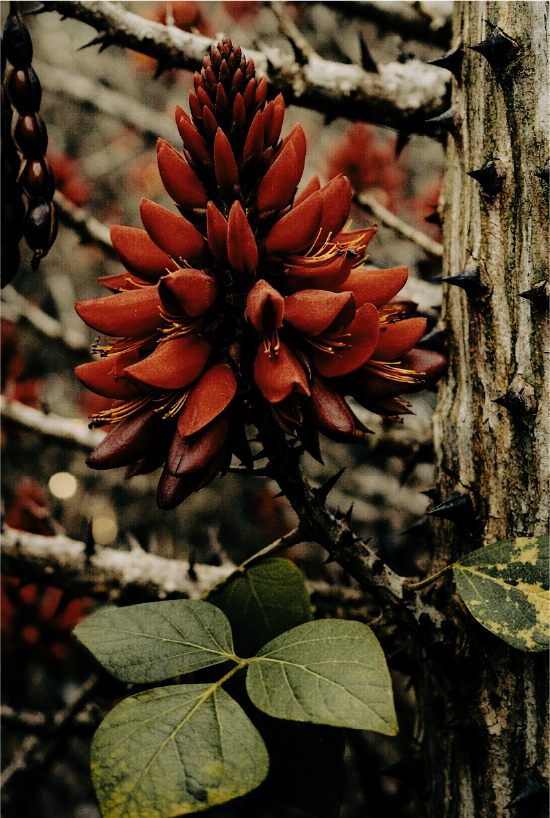
CORAL TREE
[ Erythrina indica ]
| Family | Fabaceae |
| Layer | Sub-Tree |
| Mature Height | 4–6 m |
| Growth Rate | Fast |
| Foliage | Deciduous |
| Native To | Tropical and subtropical Asia |
| Key Traits | Vivid coral-red flowers, nitrogen fixation |
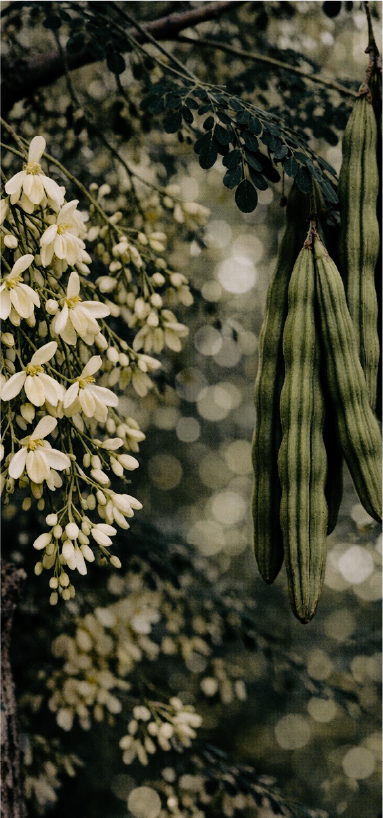
DRUMSTICK TREE
[ Moringa oleifera ]
| Family | Moringaceae |
| Layer | Sub-Tree |
| Mature Height | 4–6 m |
| Growth Rate | Very Fast |
| Foliage | Deciduous |
| Native To | Sub-Himalayan regions |
| Key Traits | Nutrient-rich leaves and pods, rapid growth |
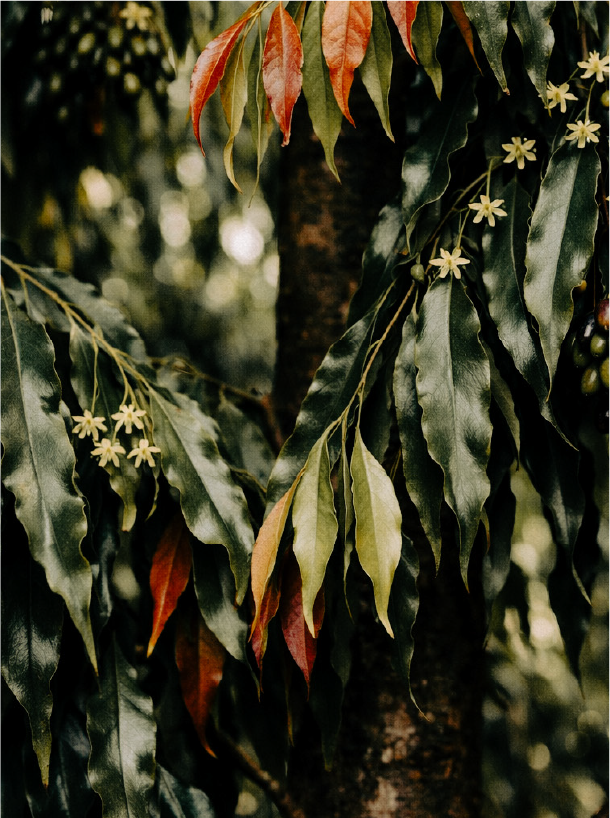
ASHOKA (FALSE ASHOKA)
[ Polyalthia longifolia ]
| Family | Annonaceae |
| Layer | Sub-Tree |
| Mature Height | 5–6 m (in Miyawaki context) |
| Growth Rate | Moderate |
| Foliage | Evergreen |
| Native To | South Asia, Sri Lanka |
| Key Traits | Dense columnar evergreen form |
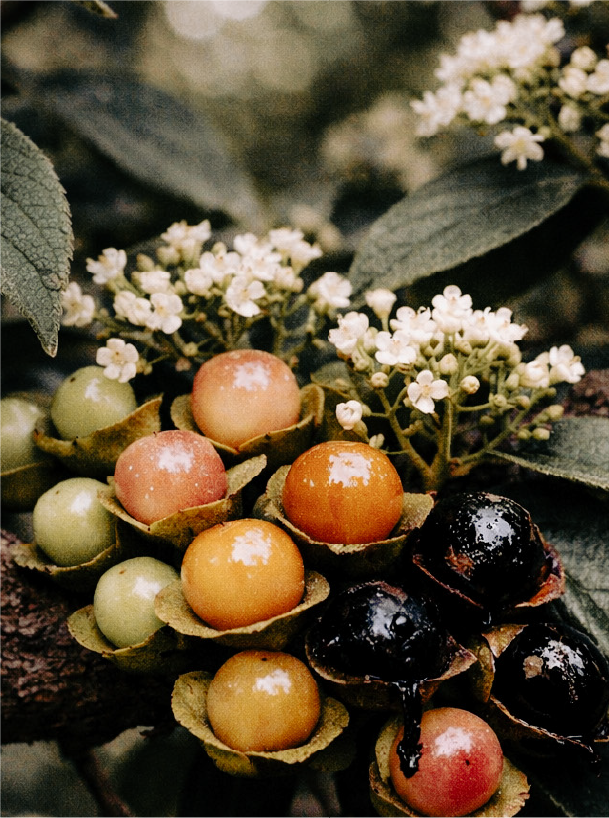
LASODA (FRAGRANT MANJACK)
[ Cordia dichotoma ]
| Family | Boraginaceae |
| Layer | Sub-Tree |
| Mature Height | 4–6 m |
| Growth Rate | Moderate |
| Foliage | Deciduous |
| Native To | Tropical and subtropical Asia, Australia |
| Key Traits | Edible fruit, fragrant flowers |
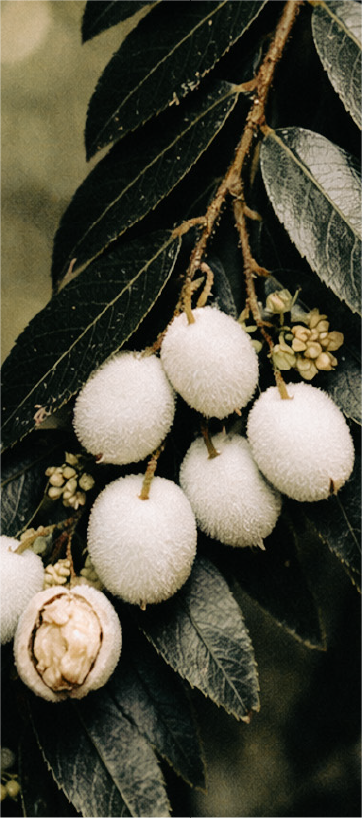
PUTRANJIVA
[ Drypetes roxburghii ]
| Family | Putranjivaceae |
| Layer | Sub-Tree |
| Mature Height | 4–6 m |
| Growth Rate | Slow to Moderate |
| Foliage | Evergreen |
| Native To | South and Southeast Asia |
| Key Traits | Dense evergreen canopy, air purification |
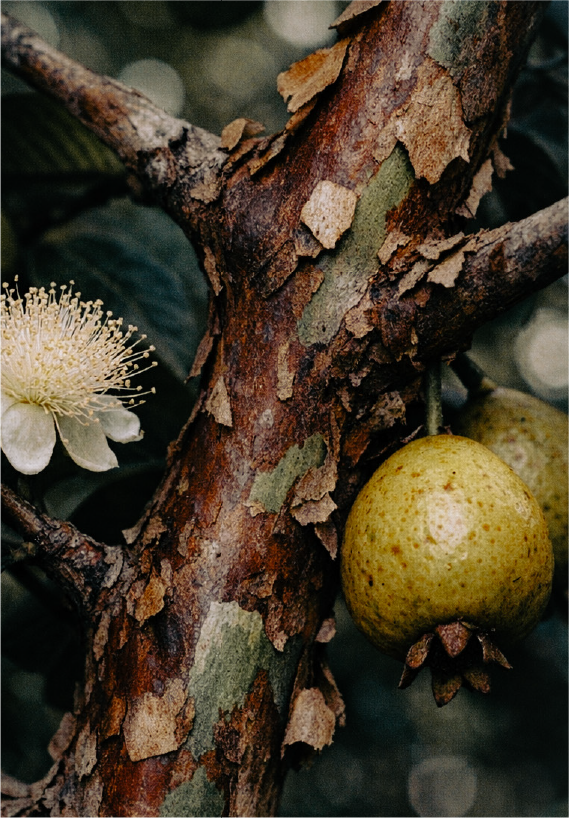
GUAVA
[ Psidium guajava ]
| Family | Myrtaceae |
| Layer | Sub-Tree |
| Mature Height | 3–5 m |
| Growth Rate | Fast |
| Foliage | Evergreen to Semi-evergreen |
| Native To | Central America (naturalised pan-tropically) |
| Key Traits | Edible fruit, attracts birds |
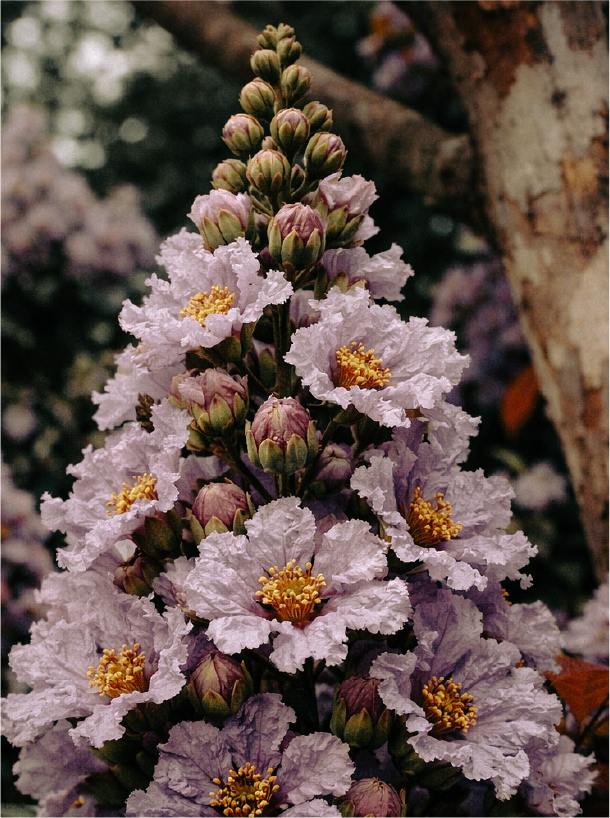
PRIDE OF INDIA (GIANT CREPE MYRTLE)
[ Lagerstroemia speciosa ]
| Family | Lythraceae |
| Layer | Sub-Tree |
| Mature Height | 5–6 m |
| Growth Rate | Moderate |
| Foliage | Deciduous |
| Native To | South and Southeast Asia |
| Key Traits | Spectacular purple-pink flowering |
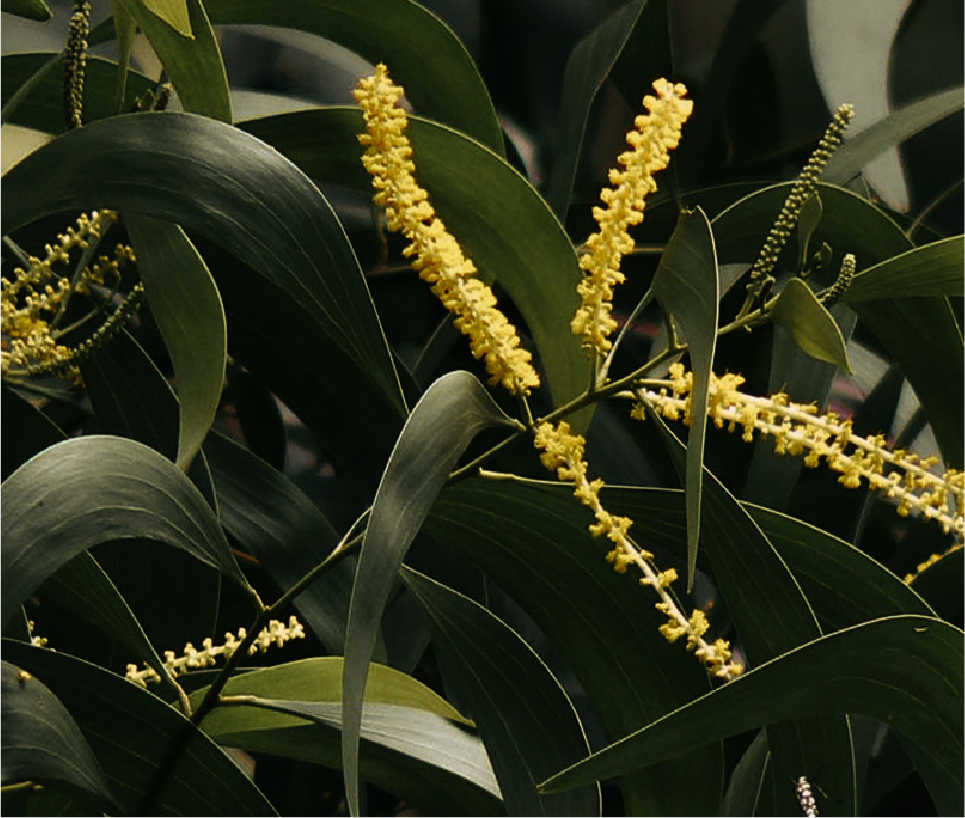
EAR POD WATTLE
[ Acacia auriculiformis ]
| Family | Fabaceae |
| Layer | Sub-Tree |
| Mature Height | 5–6 m |
| Growth Rate | Fast |
| Foliage | Evergreen |
| Native To | Australia, Papua New Guinea |
| Key Traits | Nitrogen fixation, fast growth, hardy |
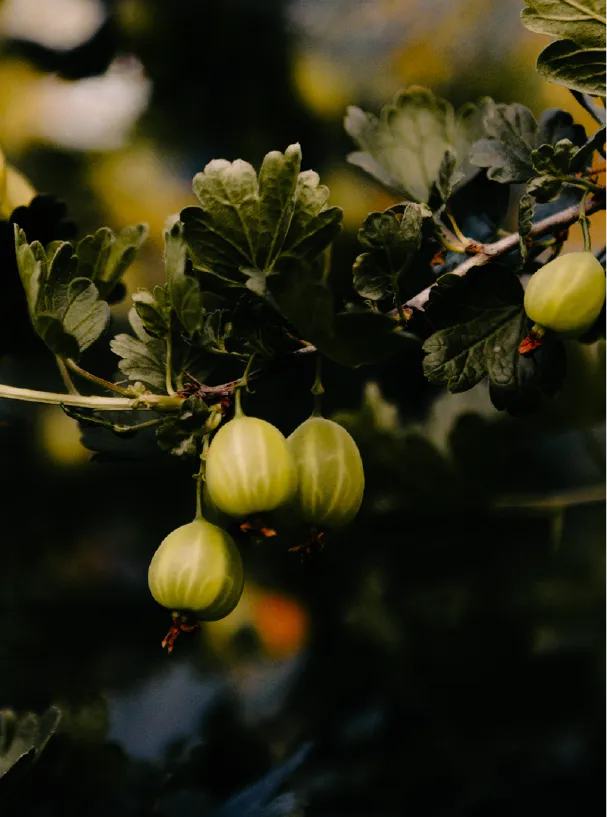
AMLA (INDIAN GOOSEBERRY)
[ Phyllanthus emblica ]
| Family | Phyllanthaceae |
| Layer | Sub-Tree |
| Mature Height | 4–6 m |
| Growth Rate | Slow to Moderate |
| Foliage | Deciduous |
| Native To | South Asia |
| Key Traits | Vitamin C-rich fruit, medicinal value |
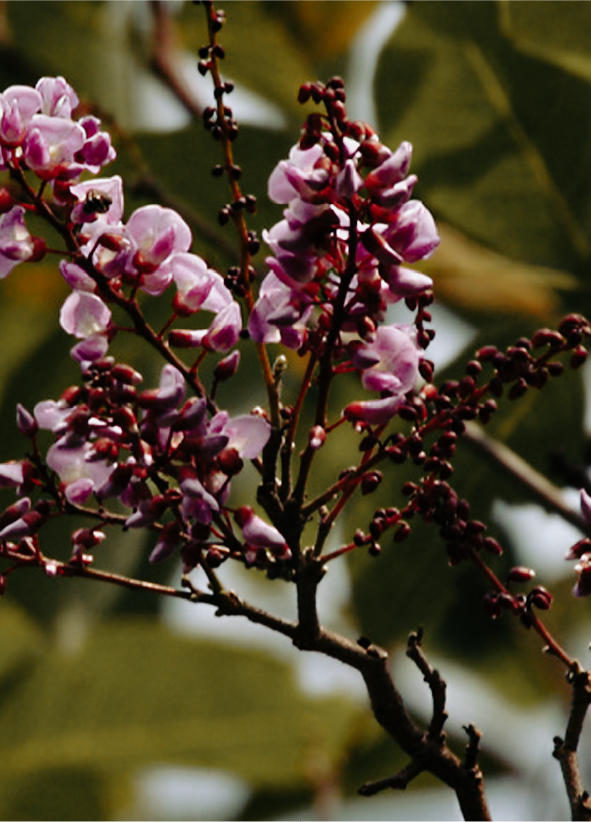
MOULMEIN ROSEWOOD
[ Millettia peguensis ]
| Family | Fabaceae |
| Layer | Sub-Tree |
| Mature Height | 5–6 m |
| Growth Rate | Moderate |
| Foliage | Deciduous |
| Native To | Myanmar, Thailand, Southeast Asia |
| Key Traits | Ornamental flowers, nitrogen fixation, hardy |
TREE LAYER
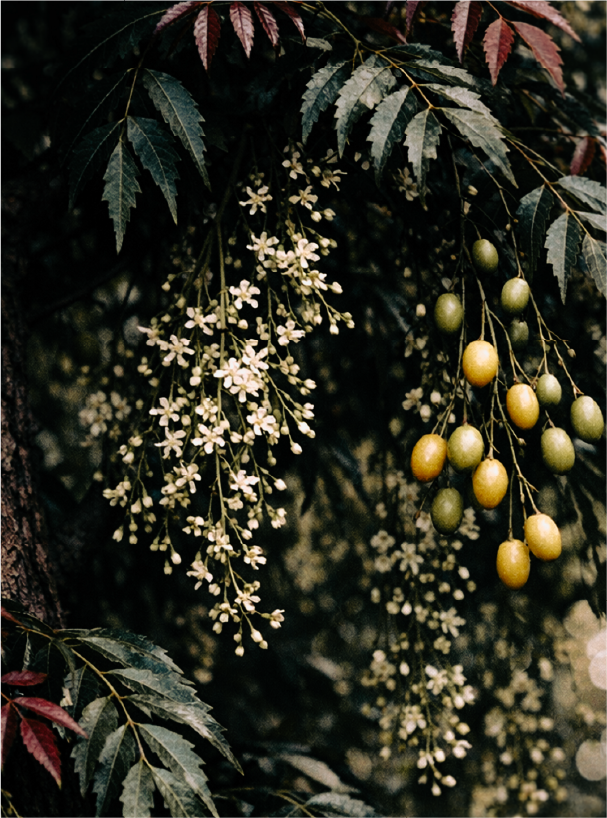
Neem
[ Azadirachta indica ]
| Family | Meliaceae |
| Layer | Tree |
| Mature Height | 8–10 m |
| Growth Rate | Fast |
| Foliage | Evergreen to Semi-evergreen |
| Native To | Indian subcontinent, Southeast Asia |
| Key Traits | Biopesticide properties, medicinal, extremely hardy |
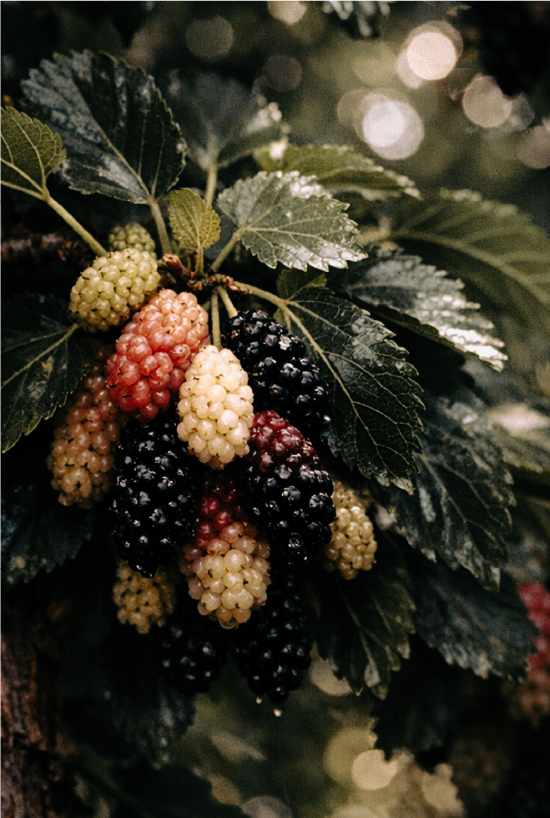
White Mulberry
[ Morus alba ]
| Family | Moraceae |
| Layer | Tree |
| Mature Height | 6–10 m |
| Growth Rate | Fast |
| Foliage | Deciduous |
| Native To | China (naturalised globally) |
| Key Traits | Edible fruit, fast growth, fodder value |
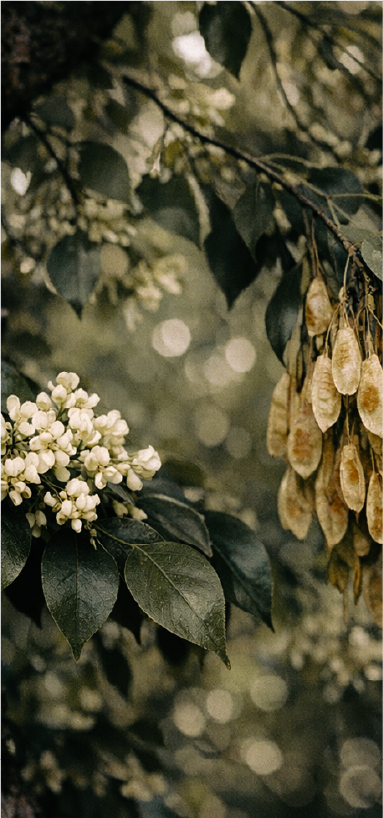
Sheesham (North Indian Rosewood)
[ Dalbergia sissoo ]
| Family | Fabaceae |
| Layer | Tree |
| Mature Height | 8–10 m |
| Growth Rate | Fast |
| Foliage | Deciduous |
| Native To | Indian subcontinent |
| Key Traits | Premium timber, nitrogen fixation, soil enrichment |
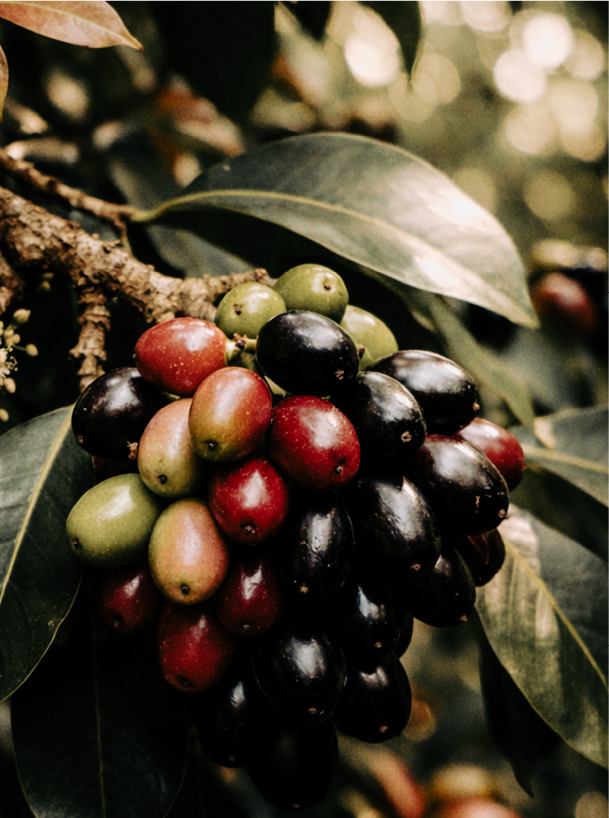
Jamun (Java Plum)
[ Syzygium cumini ]
| Family | Myrtaceae |
| Layer | Tree |
| Mature Height | 8–10 m |
| Growth Rate | Moderate to Fast |
| Foliage | Evergreen |
| Native To | Indian subcontinent, Southeast Asia |
| Key Traits | Edible fruit, evergreen, dense canopy |
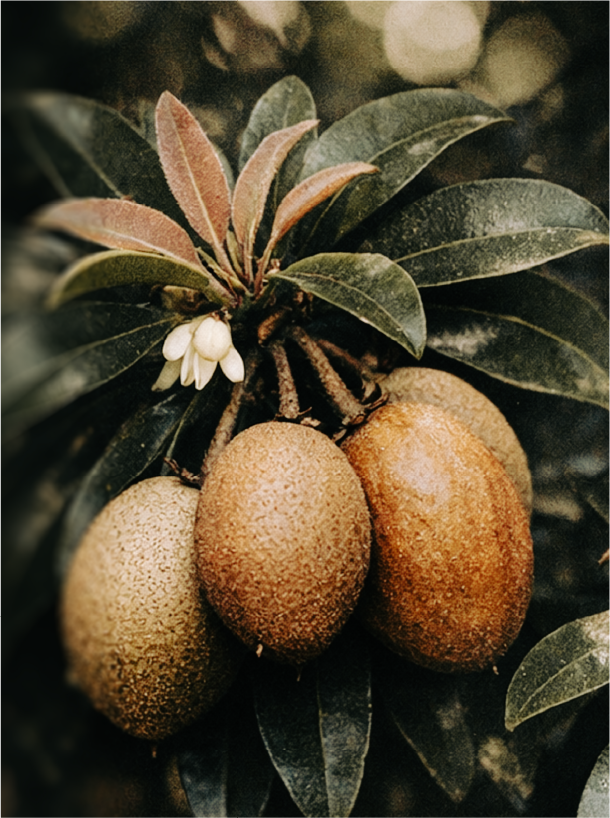
Sapodilla (Chikoo)
[ Manilkara zapota ]
| Family | Sapotaceae |
| Layer | Tree |
| Mature Height | 6–10 m |
| Growth Rate | Slow to Moderate |
| Foliage | Evergreen |
| Native To | Central America (naturalised in South Asia) |
| Key Traits | Edible fruit, evergreen, latex-producing |
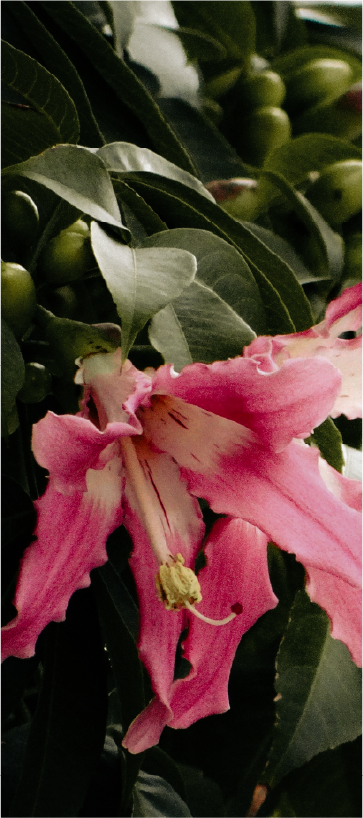
Silk Floss Tree
[ Chorisia speciosa ]
| Family | Malvaceae |
| Layer | Tree |
| Mature Height | 8–10 m |
| Growth Rate | Fast |
| Foliage | Deciduous |
| Native To | South America (Brazil, Argentina) |
| Key Traits | Spectacular flowering, thorny trunk |
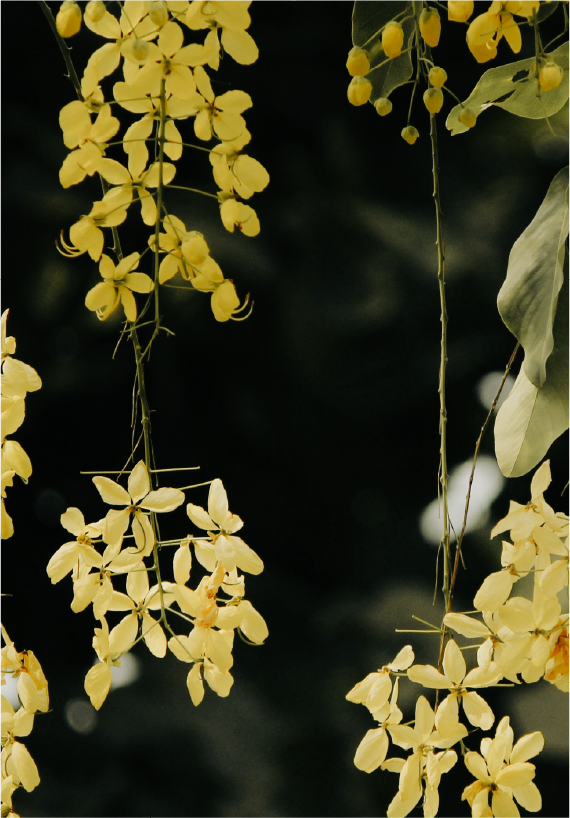
Golden Shower Tree
[ Cassia fistula ]
| Family | Fabaceae |
| Layer | Tree |
| Mature Height | 8–10 m |
| Growth Rate | Moderate to Fast |
| Foliage | Deciduous to Semi-deciduous |
| Native To | South and Southeast Asia |
| Key Traits | Cascading golden-yellow flowers, medicinal bark |
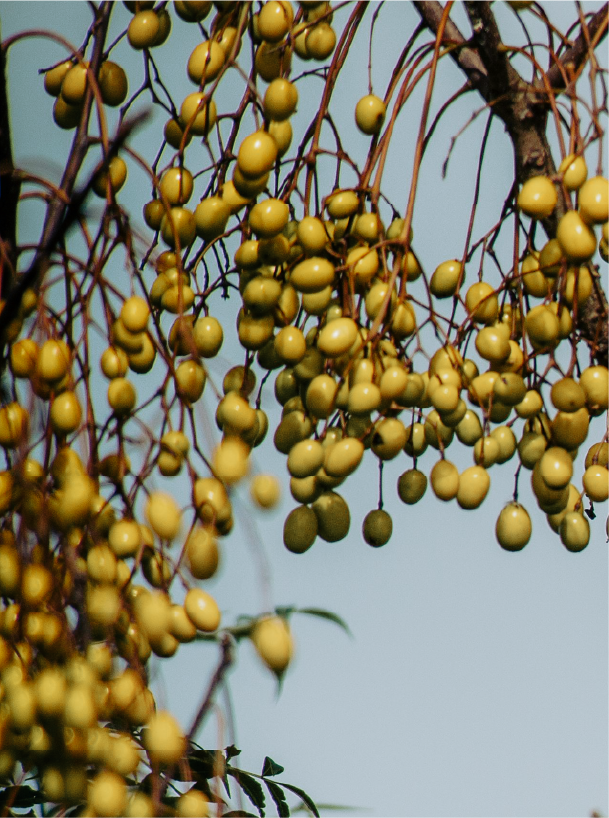
Chinaberry
[ Melia azedarach ]
| Family | Meliaceae |
| Layer | Tree |
| Mature Height | 8–10 m |
| Growth Rate | Very Fast |
| Foliage | Deciduous |
| Native To | South and Southeast Asia, Australasia |
| Key Traits | Rapid growth, fragrant flowers, biopesticide properties |
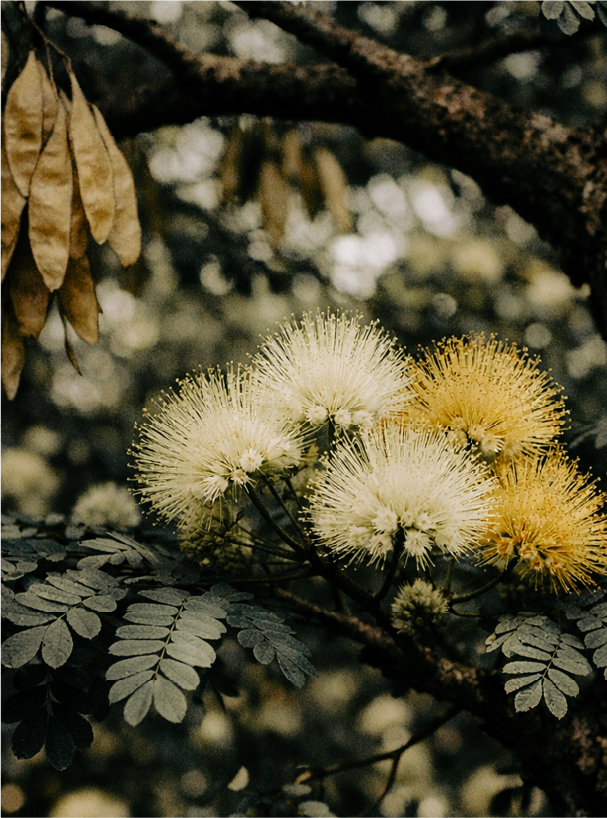
Siris (Woman's Tongue Tree)
[ Albizia lebbeck ]
| Family | Fabaceae |
| Layer | Tree |
| Mature Height | 8–10 m |
| Growth Rate | Fast |
| Foliage | Deciduous |
| Native To | Tropical and subtropical Asia, northern Africa |
| Key Traits | Nitrogen fixation, fragrant flowers, fast shade |
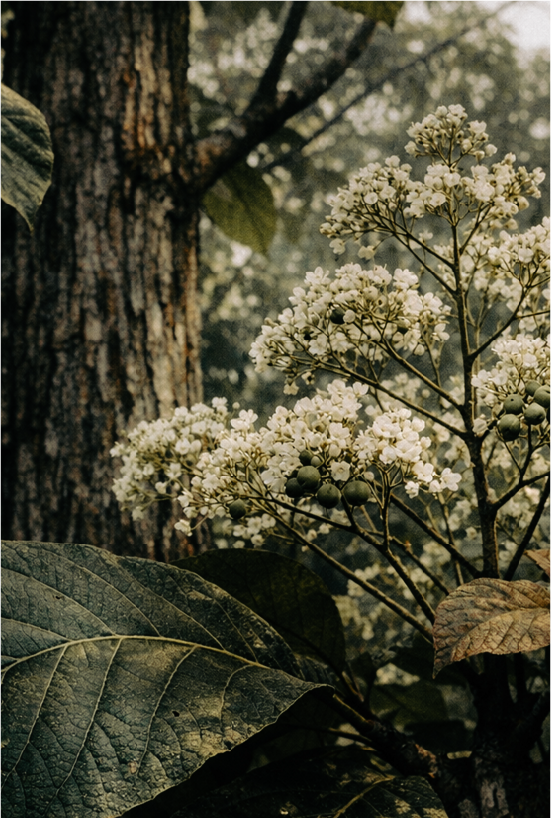
Teak
[ Tectona grandis ]
| Family | Lamiaceae |
| Layer | Tree |
| Mature Height | 8–10 m |
| Growth Rate | Moderate |
| Foliage | Deciduous |
| Native To | South and Southeast Asia |
| Key Traits | World-class timber, durable heartwood |
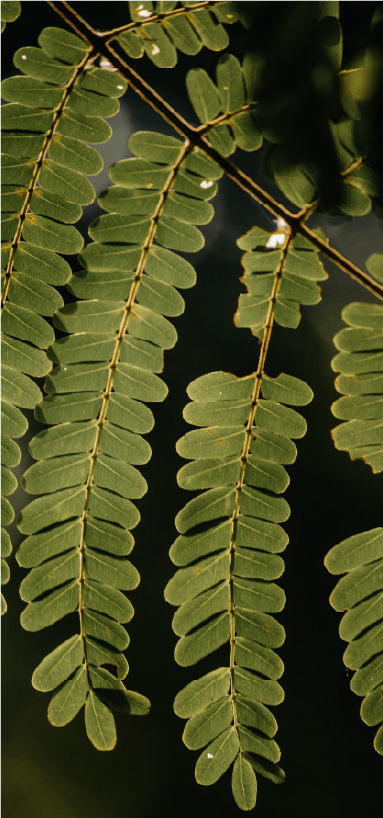
Tamarind
[ Tamarindus indica ]
| Family | Fabaceae |
| Layer | Tree |
| Mature Height | 8–10 m |
| Growth Rate | Slow to Moderate |
| Foliage | Evergreen |
| Native To | Tropical Africa (naturalised pan-tropically) |
| Key Traits | Edible fruit, evergreen, extremely long-lived |
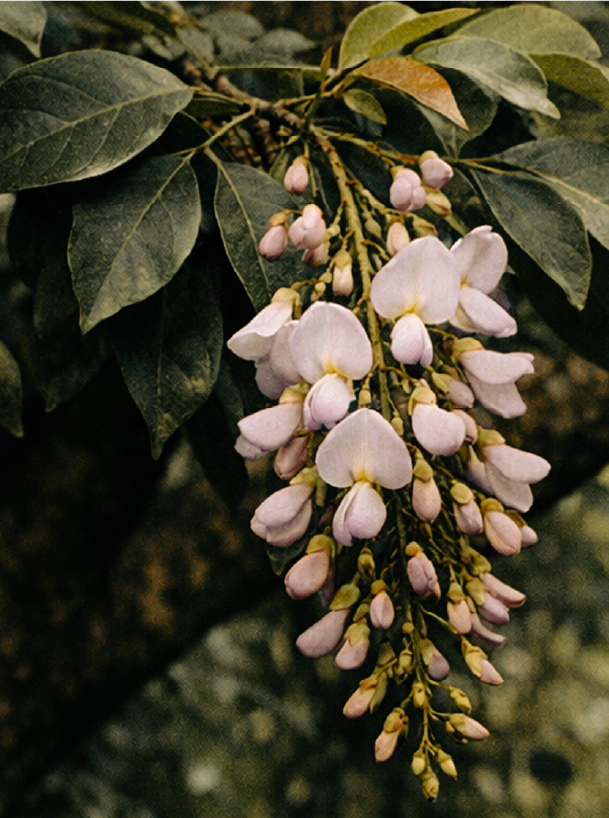
Karanj (Pongame Oil Tree)
[ Pongamia pinnata ]
| Family | Fabaceae |
| Layer | Tree |
| Mature Height | 8–10 m |
| Growth Rate | Moderate to Fast |
| Foliage | Evergreen to Semi-evergreen |
| Native To | South and Southeast Asia, Australia |
| Key Traits | Biodiesel potential, nitrogen fixation, evergreen |
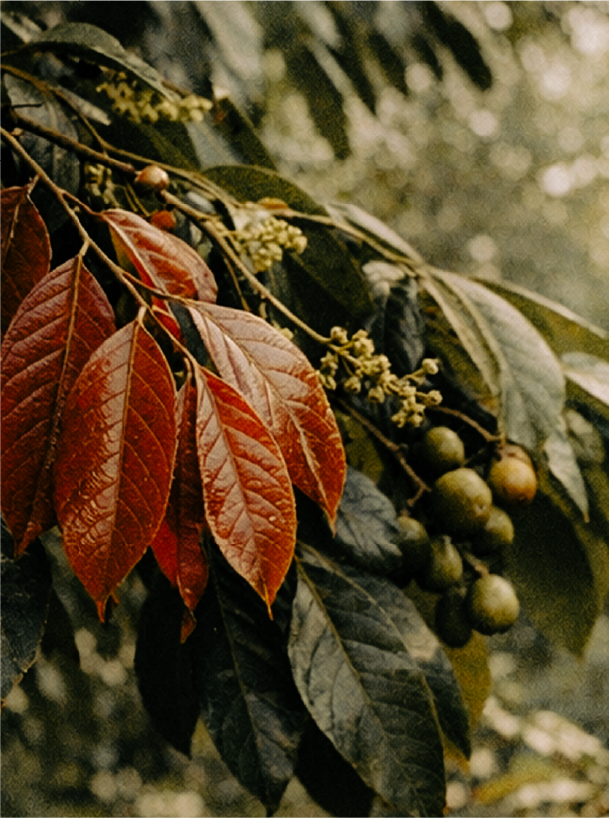
Lac Tree (Kusum)
[ Schleichera oleosa ]
| Family | Sapindaceae |
| Layer | Tree |
| Mature Height | 8–10 m |
| Growth Rate | Slow to Moderate |
| Foliage | Deciduous to Semi-evergreen |
| Native To | South and Southeast Asia |
| Key Traits | Edible seeds, host for lac insects, oil-producing |
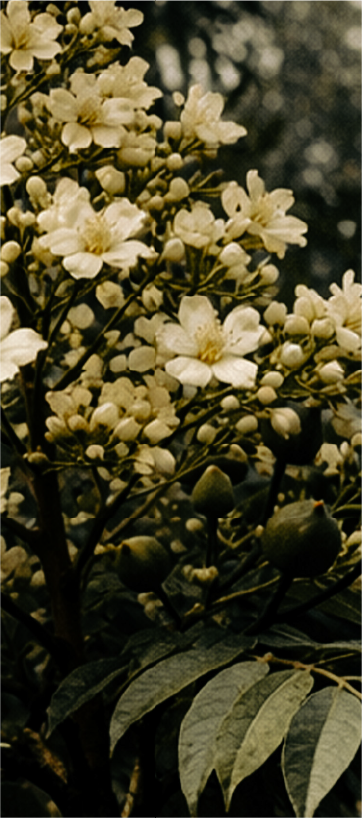
Indian Mahogany (Chickrassy)
[ Chukrasia tabularis ]
| Family | Meliaceae |
| Layer | Tree |
| Mature Height | 8–10 m |
| Growth Rate | Moderate |
| Foliage | Deciduous |
| Native To | South and Southeast Asia |
| Key Traits | High-value timber, mahogany-quality wood |
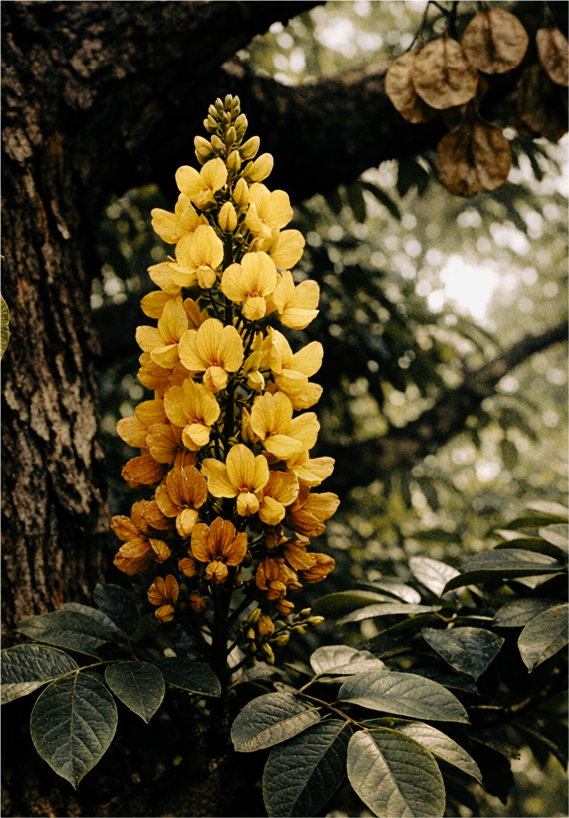
Bijasal (Indian Kino Tree)
[ Pterocarpus marsupium ]
| Family | Fabaceae |
| Layer | Tree |
| Mature Height | 8–10 m |
| Growth Rate | Moderate |
| Foliage | Deciduous |
| Native To | Indian subcontinent, Sri Lanka |
| Key Traits | Medicinal heartwood, nitrogen fixation |
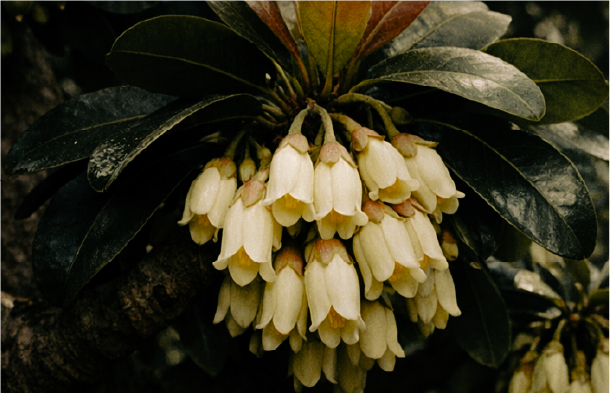
Mahua
[ Madhuca longifolia ]
| Family | Sapotaceae |
| Layer | Tree |
| Mature Height | 8–10 m |
| Growth Rate | Slow to Moderate |
| Foliage | Deciduous to Semi-deciduous |
| Native To | Indian subcontinent |
| Key Traits | Edible flowers, oil-producing seeds |
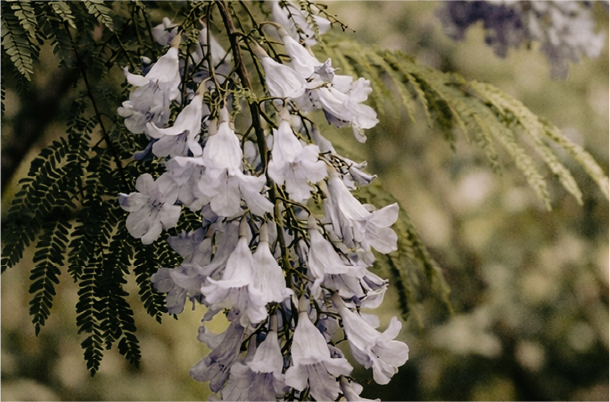
Jacaranda (Blue Jacaranda)
[ Jacaranda mimosifolia ]
| Family | Bignoniaceae |
| Layer | Tree |
| Mature Height | 8–10 m |
| Growth Rate | Moderate to Fast |
| Foliage | Deciduous to Semi-deciduous |
| Native To | South America (Argentina, Bolivia, Brazil) |
| Key Traits | Spectacular blue-purple flowering |
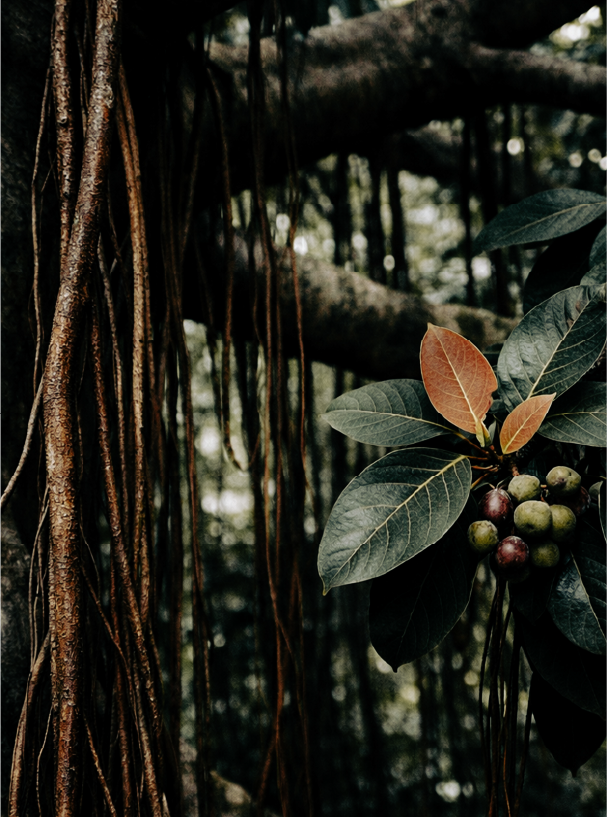
Banyan
[ Ficus benghalensis ]
| Family | Moraceae |
| Layer | Tree |
| Mature Height | 8–10 m (managed height in Miyawaki context) |
| Growth Rate | Moderate to Fast |
| Foliage | Evergreen |
| Native To | Indian subcontinent |
| Key Traits | Aerial roots, massive canopy, keystone species |
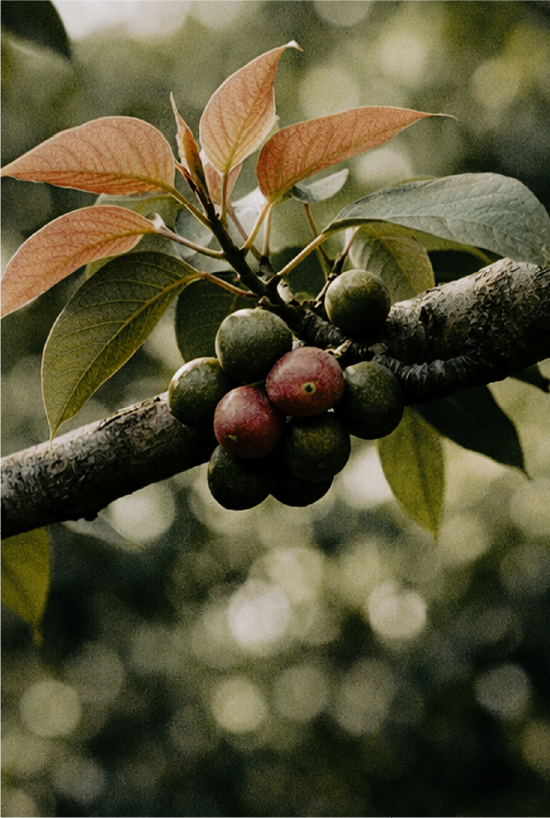
White Fig (Pilkhan)
[ Ficus virens ]
| Family | Moraceae |
| Layer | Tree |
| Mature Height | 8–10 m |
| Growth Rate | Moderate to Fast |
| Foliage | Deciduous to Semi-evergreen |
| Native To | South and Southeast Asia, Australia |
| Key Traits | Prolific fig production, wildlife support |
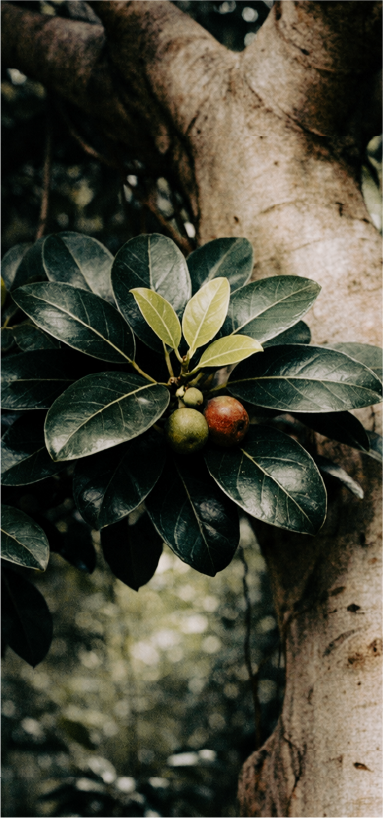
Indian Laurel Fig
[ Ficus retusa ]
| Family | Moraceae |
| Layer | Tree |
| Mature Height | 8–10 m |
| Growth Rate | Moderate to Fast |
| Foliage | Evergreen |
| Native To | South and Southeast Asia |
| Key Traits | Dense evergreen canopy, aerial roots |
CANOPY LAYER
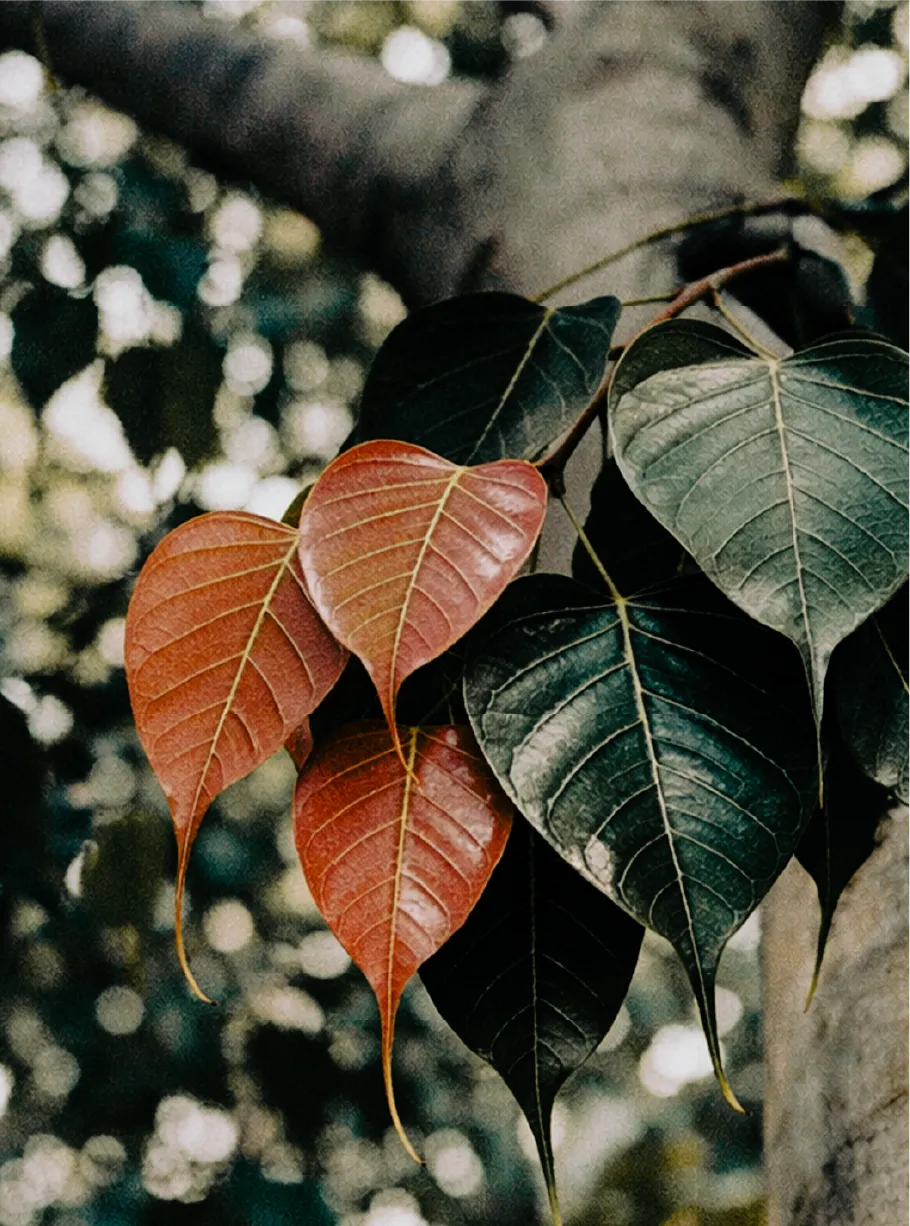
Peepal
[ Ficus religiosa ]
| Family | Moraceae |
| Layer | Canopy |
| Mature Height | 12–15 m |
| Growth Rate | Moderate to Fast |
| Foliage | Deciduous to Semi-evergreen |
| Native To | Indian subcontinent, Southeast Asia |
| Key Traits | Exceptional oxygen production, keystone species, long-lived |
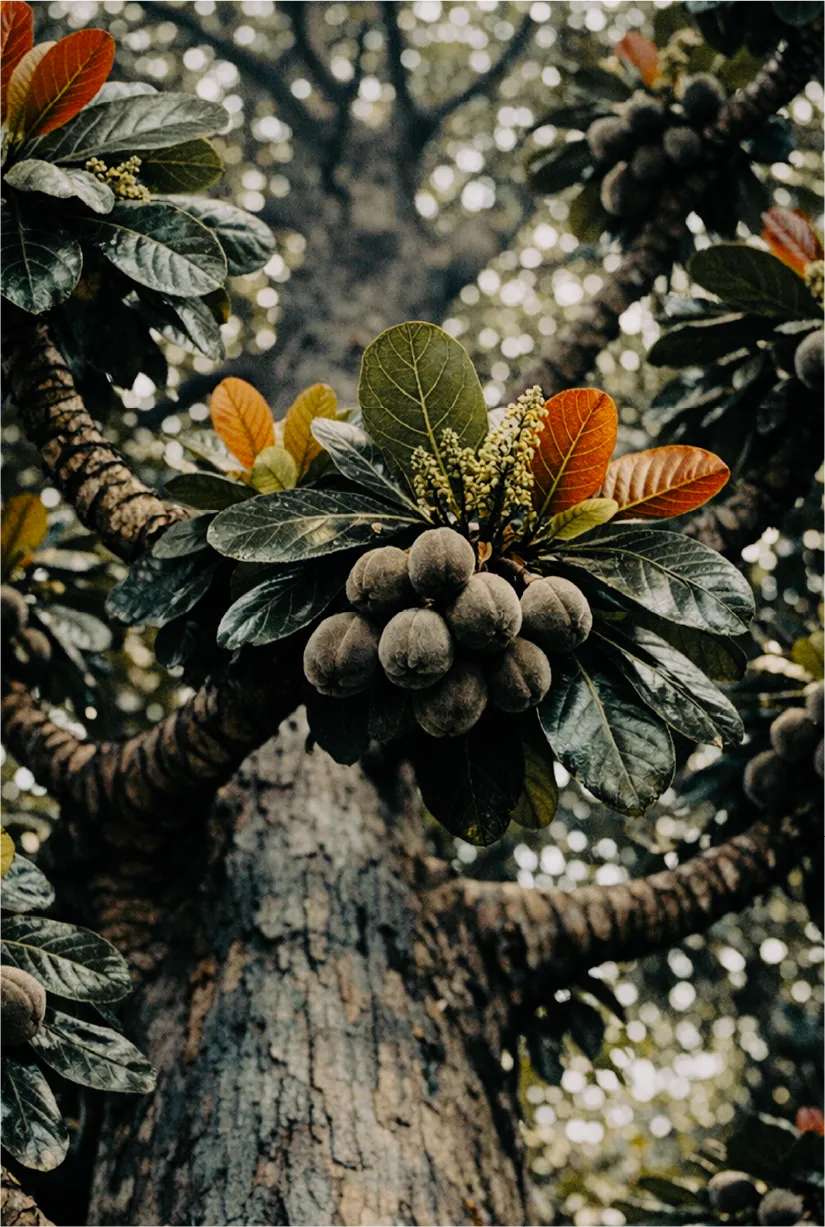
Baheda (Beleric Myrobalan)
[ Terminalia bellirica ]
| Family | Combretaceae |
| Layer | Canopy |
| Mature Height | 12–20 m |
| Growth Rate | Moderate |
| Foliage | Deciduous |
| Native To | South and Southeast Asia |
| Key Traits | Medicinal fruit, large canopy, timber |
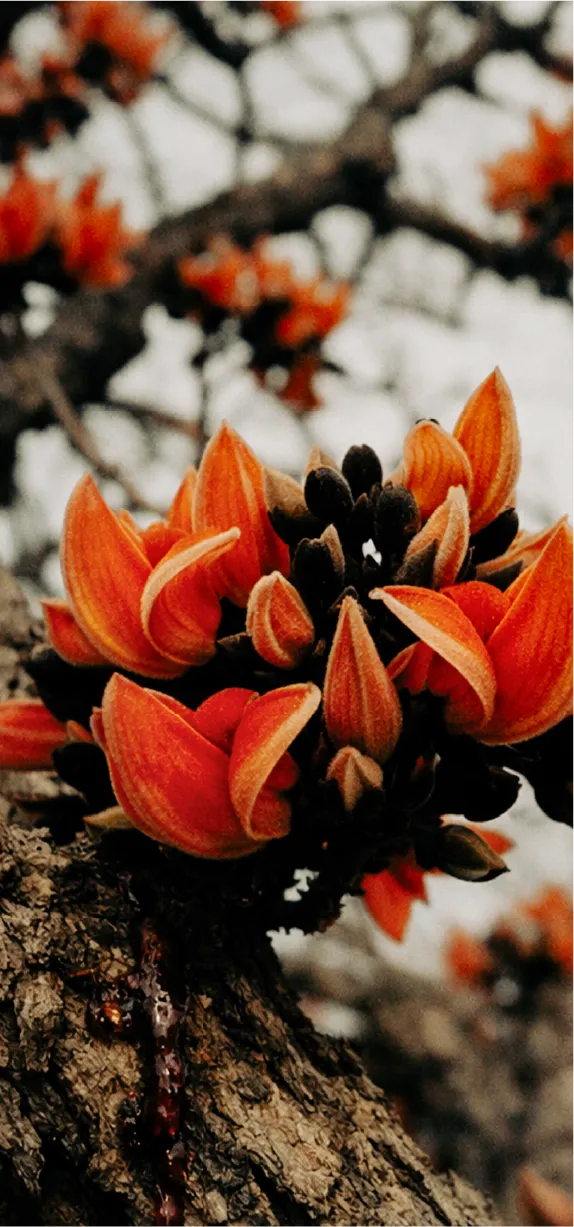
Flame of the Forest (Palash)
[ Butea monosperma ]
| Family | Fabaceae |
| Layer | Canopy |
| Mature Height | 10–15 m |
| Growth Rate | Moderate |
| Foliage | Deciduous |
| Native To | South and Southeast Asia |
| Key Traits | Brilliant orange-red flowers, natural dyes |
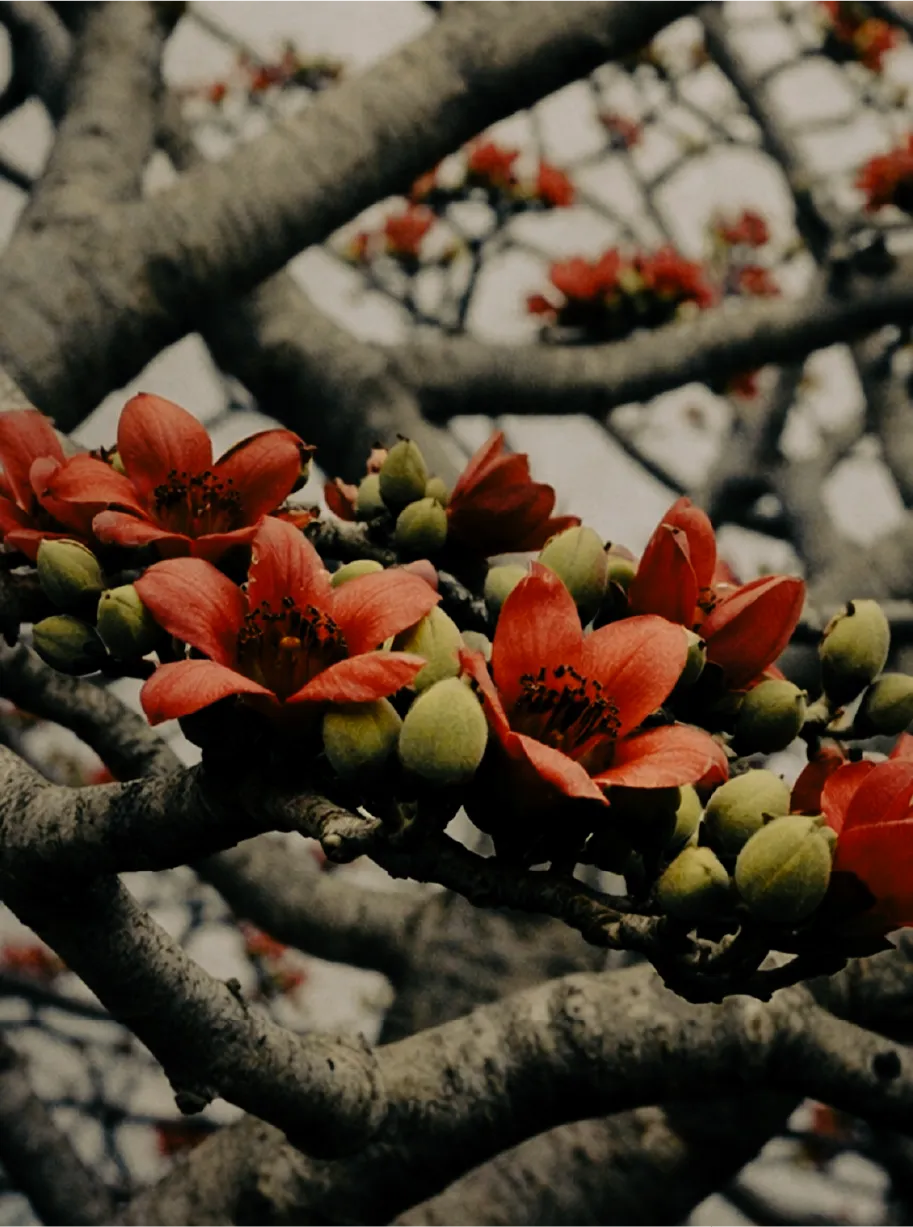
Red Silk Cotton Tree (Semal)
[ Bombax ceiba ]
| Family | Malvaceae |
| Layer | Canopy |
| Mature Height | 15–20 m |
| Growth Rate | Fast |
| Foliage | Deciduous |
| Native To | South and Southeast Asia |
| Key Traits | Large red flowers, silk-cotton fibre, attracts birds |
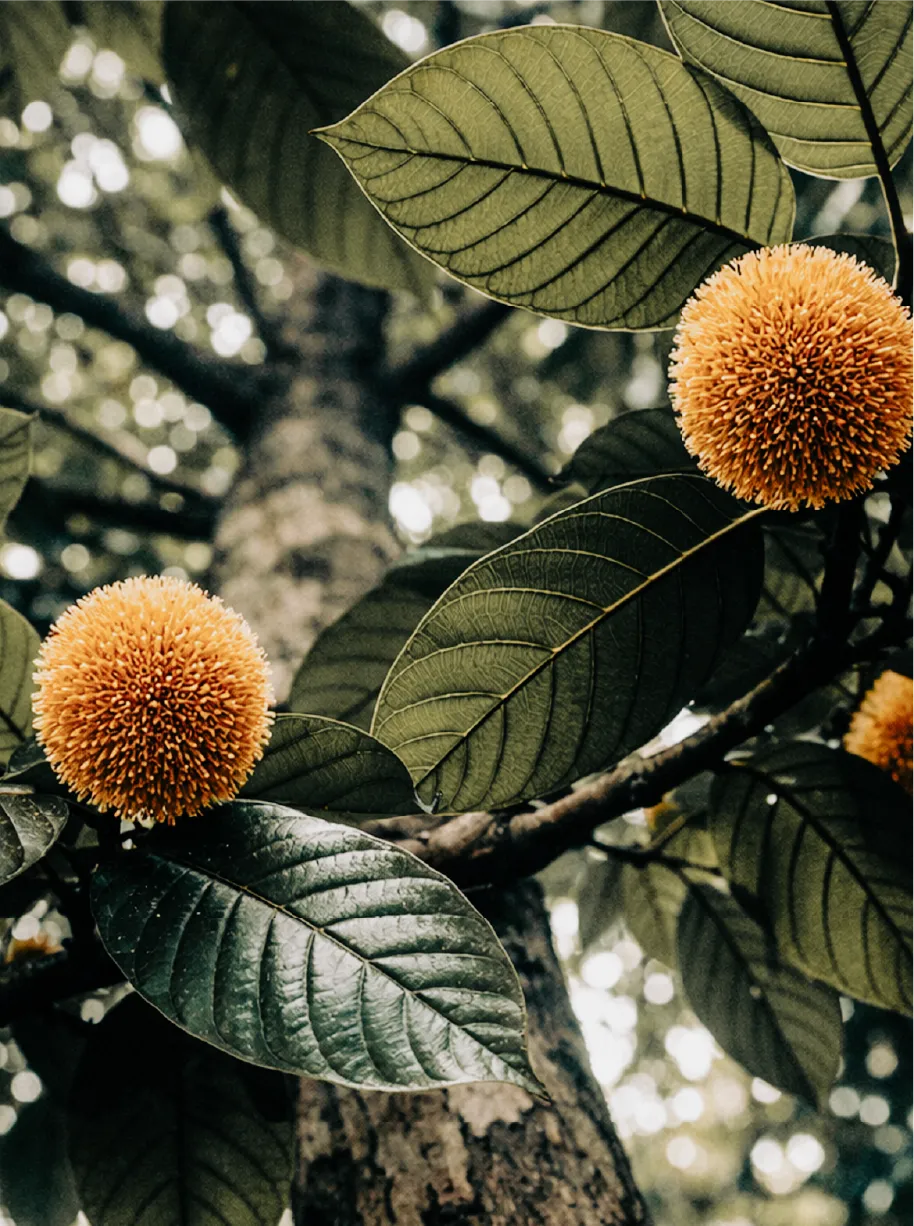
Kadamb (Burflower Tree)
[ Neolamarckia cadamba ]
| Family | Rubiaceae |
| Layer | Canopy |
| Mature Height | 12–15 m |
| Growth Rate | Very Fast |
| Foliage | Evergreen to Semi-evergreen |
| Native To | South and Southeast Asia |
| Key Traits | Rapid growth, fragrant spherical flowers, medicinal |
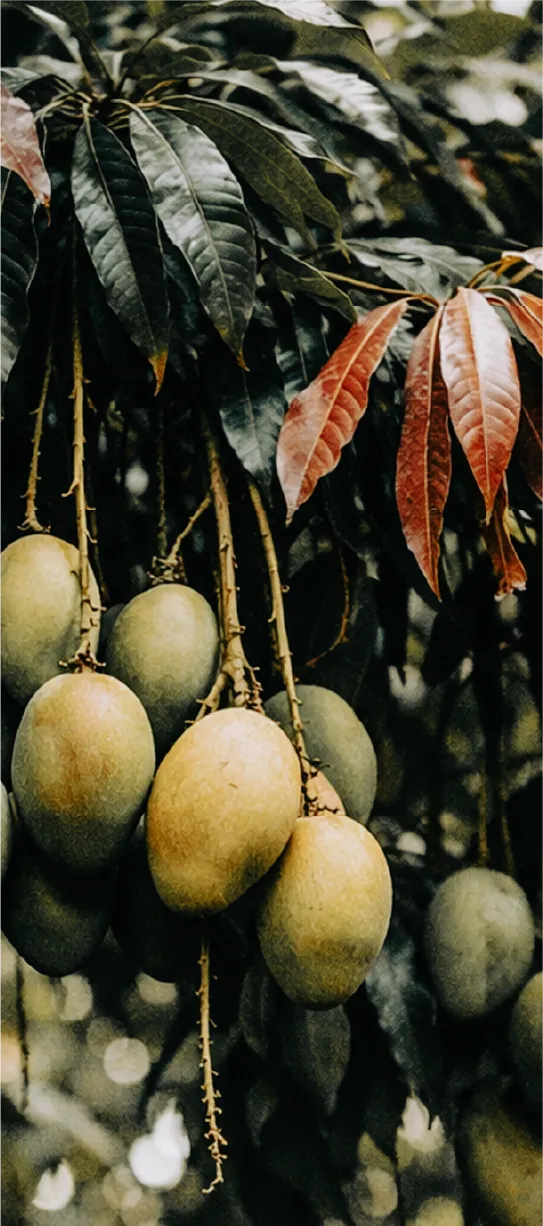
Mango
[ Mangifera indica ]
| Family | Anacardiaceae |
| Layer | Canopy |
| Mature Height | 12–15 m |
| Growth Rate | Moderate |
| Foliage | Evergreen |
| Native To | South Asia |
| Key Traits | World-renowned fruit, dense evergreen canopy |
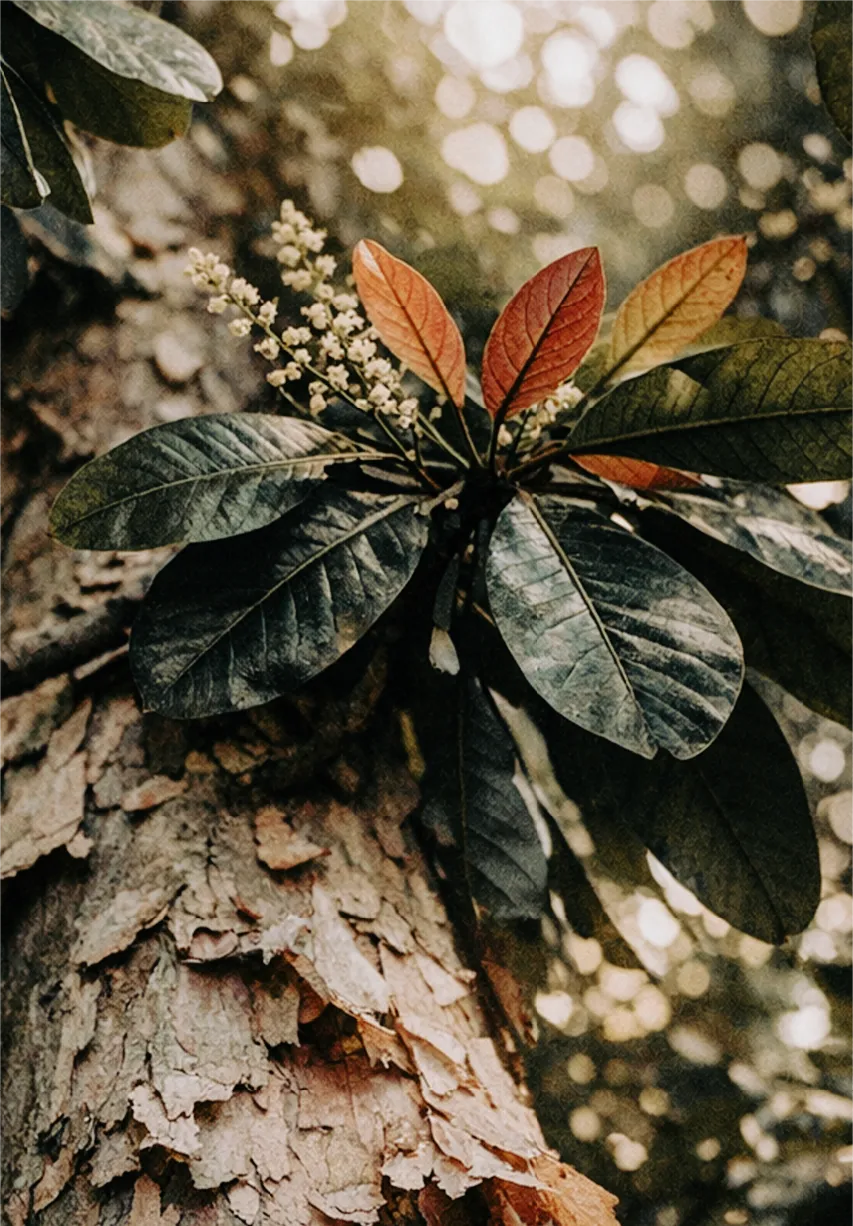
Arjun
[ Terminalia arjuna ]
| Family | Combretaceae |
| Layer | Canopy |
| Mature Height | 15–20 m |
| Growth Rate | Moderate to Fast |
| Foliage | Deciduous to Semi-evergreen |
| Native To | Indian subcontinent |
| Key Traits | Medicinal bark, attracts wild silk moths, streamside species |
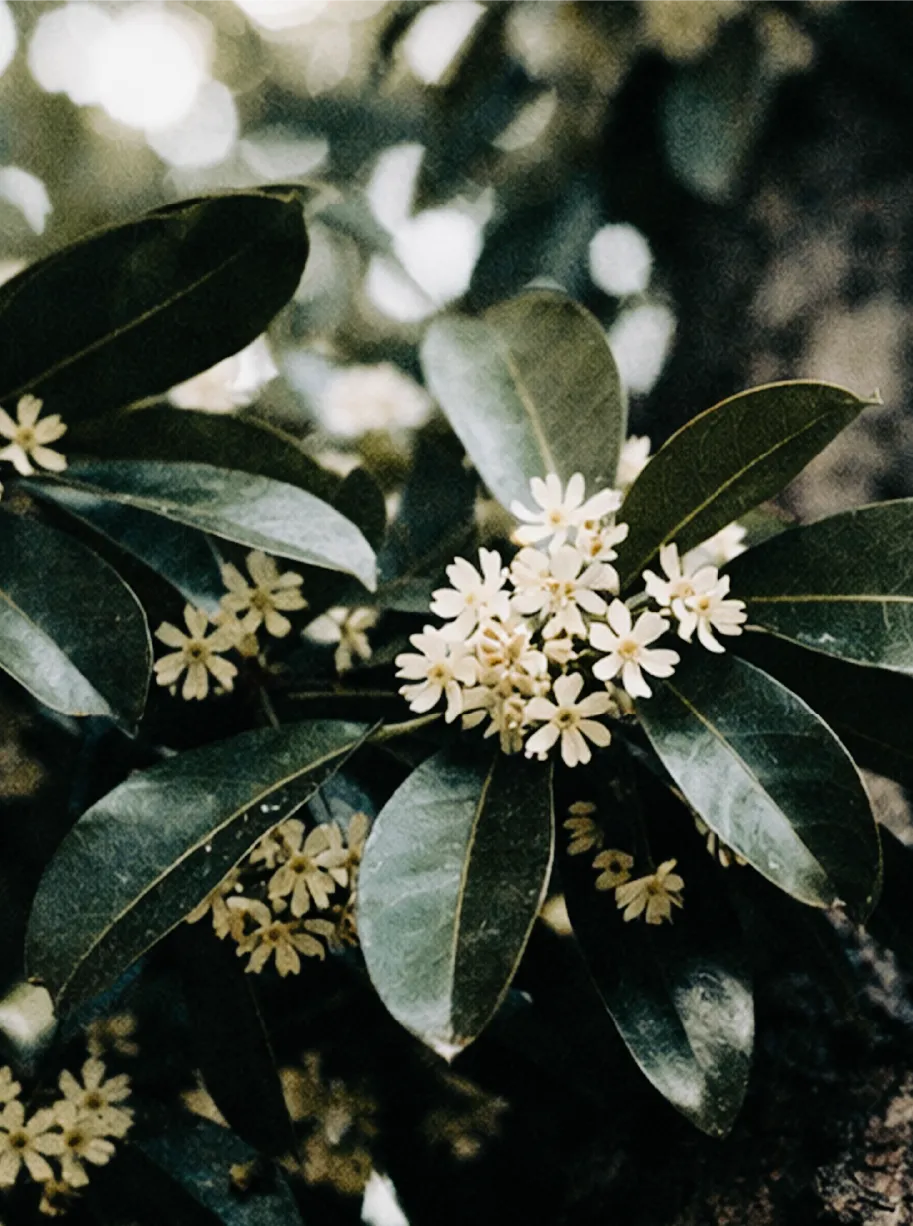
Bakul (Spanish Cherry)
[ Mimusops elengi ]
| Family | Sapotaceae |
| Layer | Canopy |
| Mature Height | 12–15 m |
| Growth Rate | Slow to Moderate |
| Foliage | Evergreen |
| Native To | South and Southeast Asia |
| Key Traits | Fragrant flowers, evergreen, dense canopy, ornamental |